The TGV gets the glamour; the TER gets the farmer, the student and the nurse.
The slow trains are the ones that hold the country together
Regional rails, regional choices
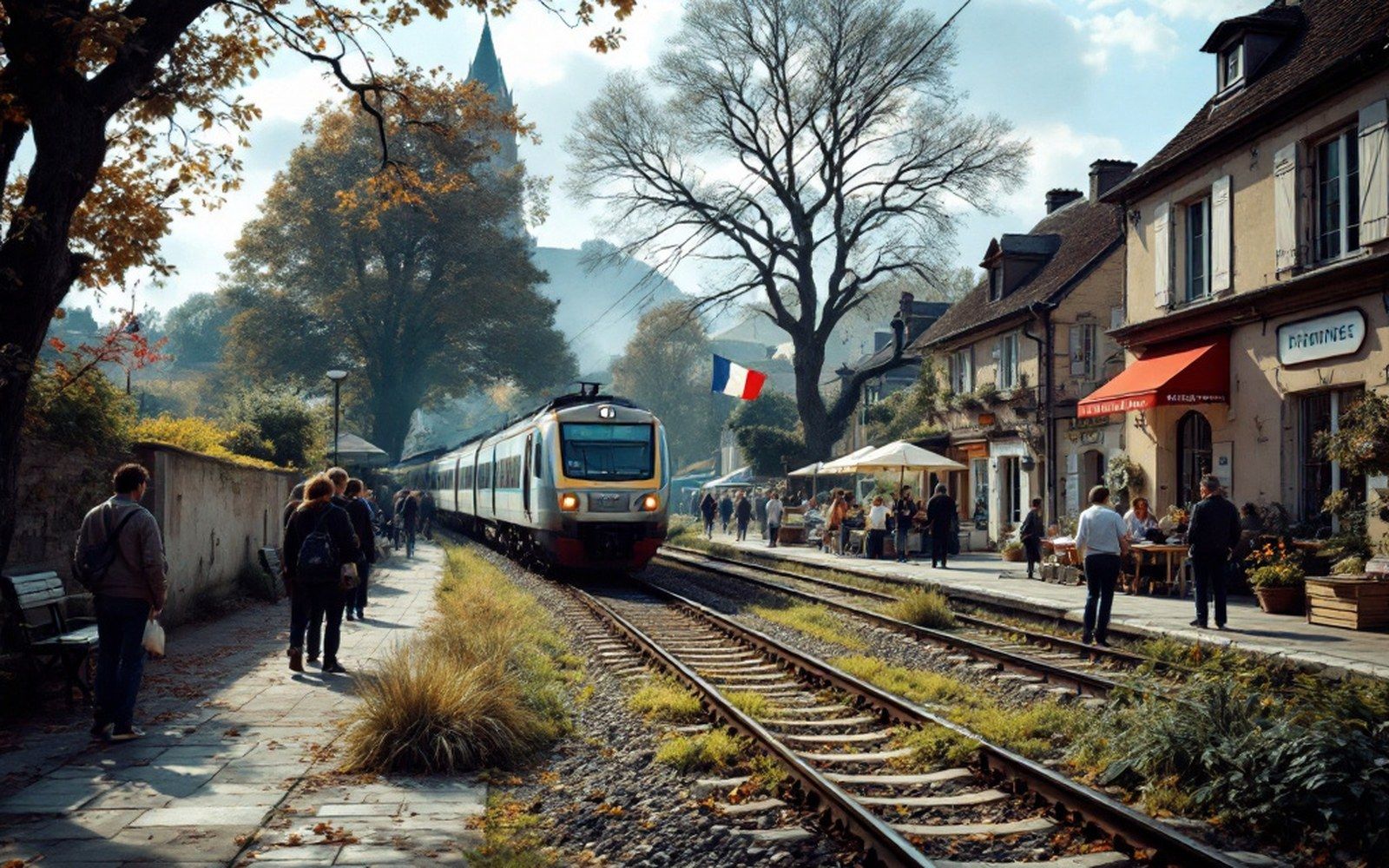
The train most people in France take most of the time is not the high-speed one. It is the TER — Transport Express Régional — a catch-all name for the stopping services that connect medium-sized towns, market communes and suburban edges that the grande vitesse network was never designed to reach. Paris to Lyon in two hours is the showpiece; Valence to Grenoble, Rennes to Quimper, Lille to Arras — that is the daily machinery.
What makes the TER structurally different from the TGV is not the speed but the money. Since the 2002 decentralisation of regional rail, France's regions — not the state — are the autorités organisatrices, the bodies that decide which lines run, how often and at what price. SNCF operates the trains, but Grand Est orders them for Alsace and Hauts-de-France orders them for the north. Brittany orders them for Brittany. This means that a line running through agricultural Normandy depends on whether the Normandy regional council funds it, not on whether someone in Paris judges it worthy.
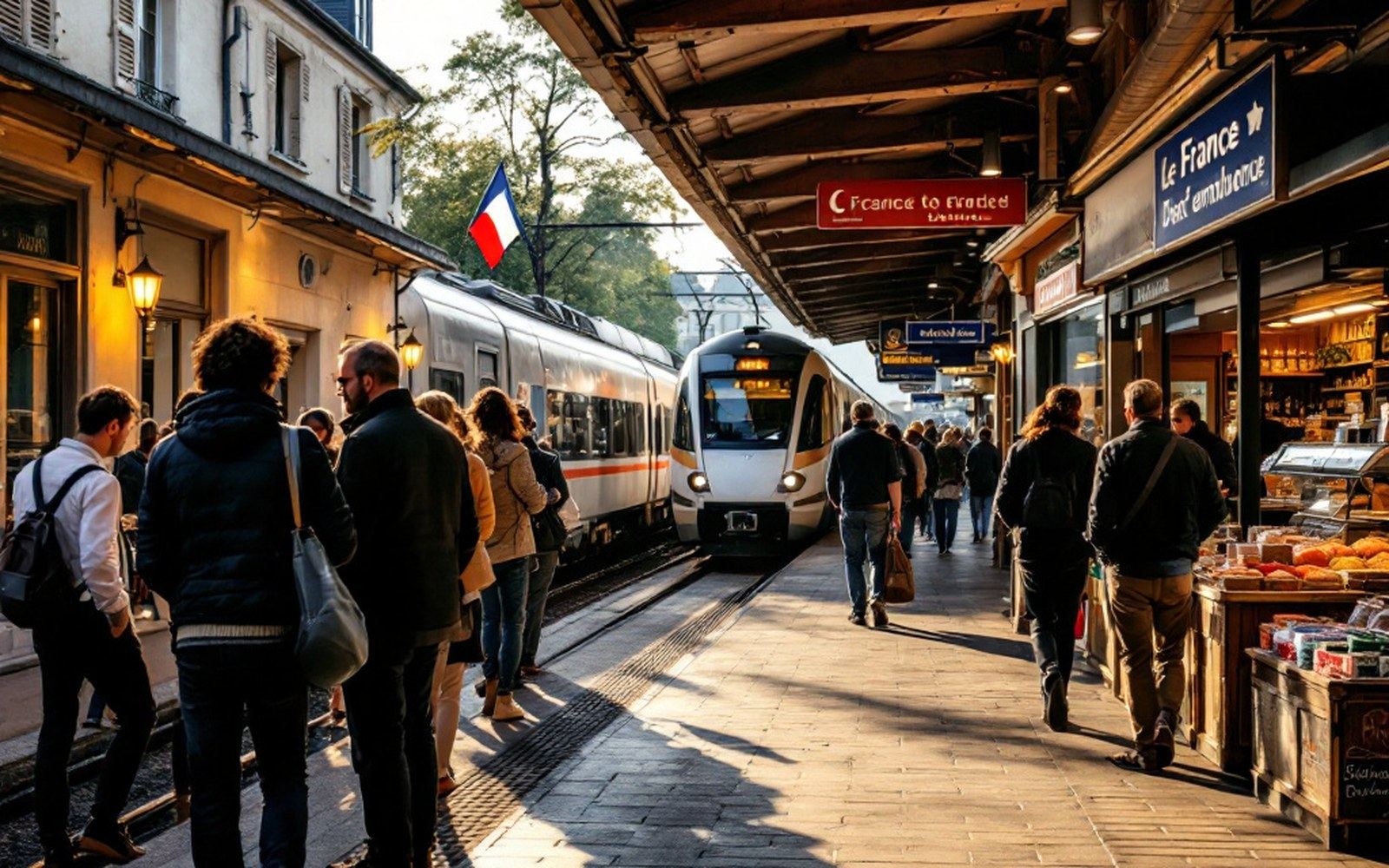
The consequences are visible to anyone who commutes. Frequencies vary sharply between regions that have invested heavily and those that have not. Rolling stock varies too: some regions have taken delivery of modern low-floor trains in regional liveries; others run equipment that would not surprise a passenger from the 1990s. The timetable in a well-funded corridor can be dense enough to feel almost urban; in a rural département that has seen service cuts, the last train home from the departmental capital may leave before six in the evening.
None of this is hidden, but it is rarely explained to someone who has just arrived. The TGV, run commercially by SNCF, has a national logic: it connects cities where speed earns its price. The TER has a regional logic: it connects wherever the region has decided connection matters. Those decisions are political and budgetary, which is why the map of slow-train coverage looks the way it does — dense around Lyon, Strasbourg and Bordeaux, threadbare in parts of the Massif Central and the south-west interior.
For a newcomer, the practical lesson is simple: do not assume that because two towns appear close on a map, the train between them is frequent, fast or even running on the day you want it. Check the regional timetable, not the national one. The slow train is doing something important; it may just not be doing it very often.