Hauts-de-France is the region that looks least like France is supposed to look, and it knows.
The north is built from brick and does not apologise
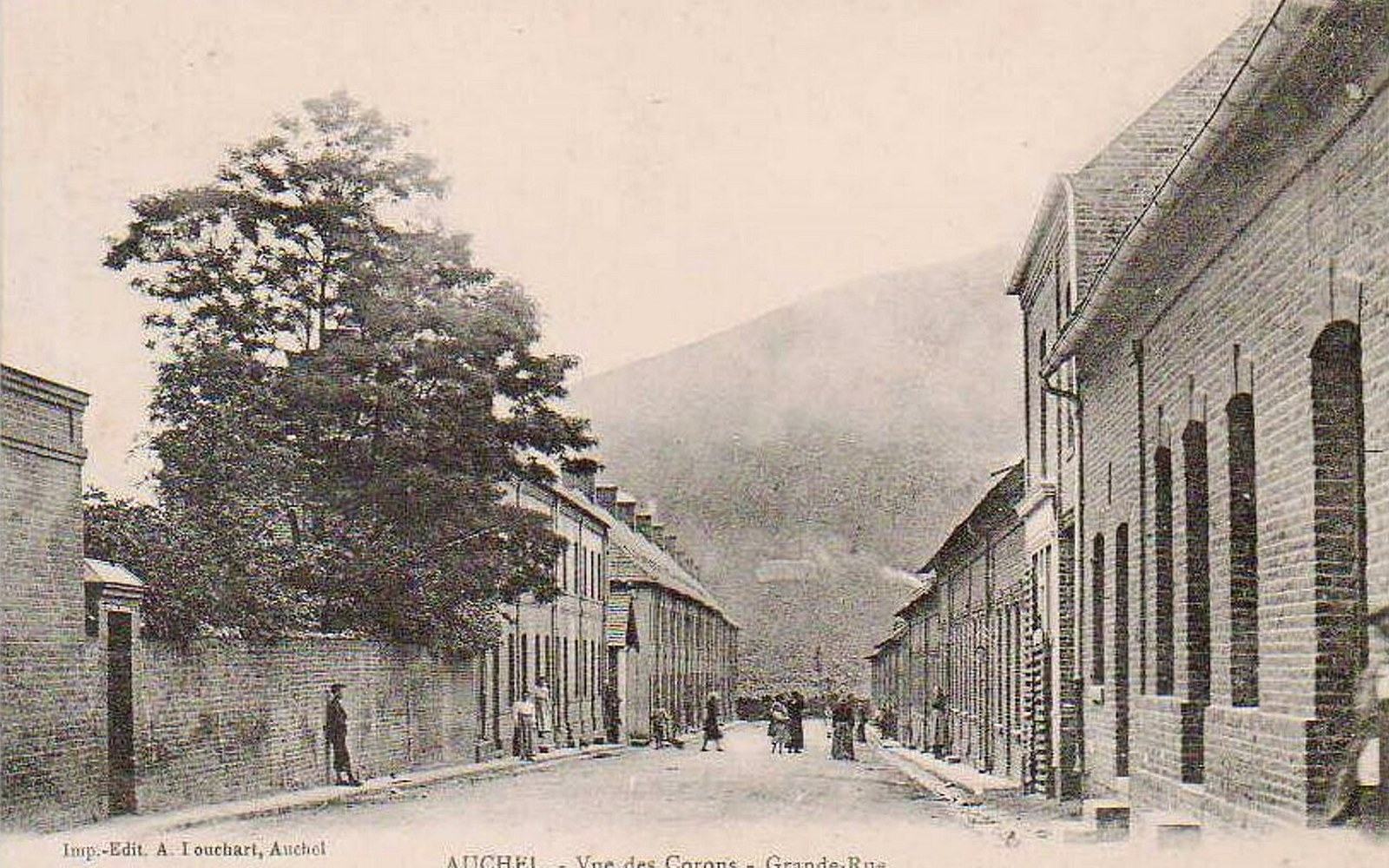
The wrong postcard
Arrive in Lille and the first thing that disorients is the colour. Not the white render and terracotta of the south, not the pale limestone of the Loire: brick, dark and dense, running in terraces from the city centre out through the former coalfield towns — Lens, Douai, Valenciennes — and up to the Belgian border without interruption. This is the architecture of industry and Flemish civic pride, not Latin sun, and it does not dress itself up to be anything else.
The belfry is the key building type. Where a southern town has a cathedral campanile or a Romanesque tower, a northern town has its beffroi — a freestanding or attached tower on the town hall, symbol of communal liberties granted by medieval counts. Dozens of them still stand across Hauts-de-France, and they were inscribed collectively as a UNESCO World Heritage group in 2005. They are civic rather than religious, which tells you something about how this part of France has always understood authority.
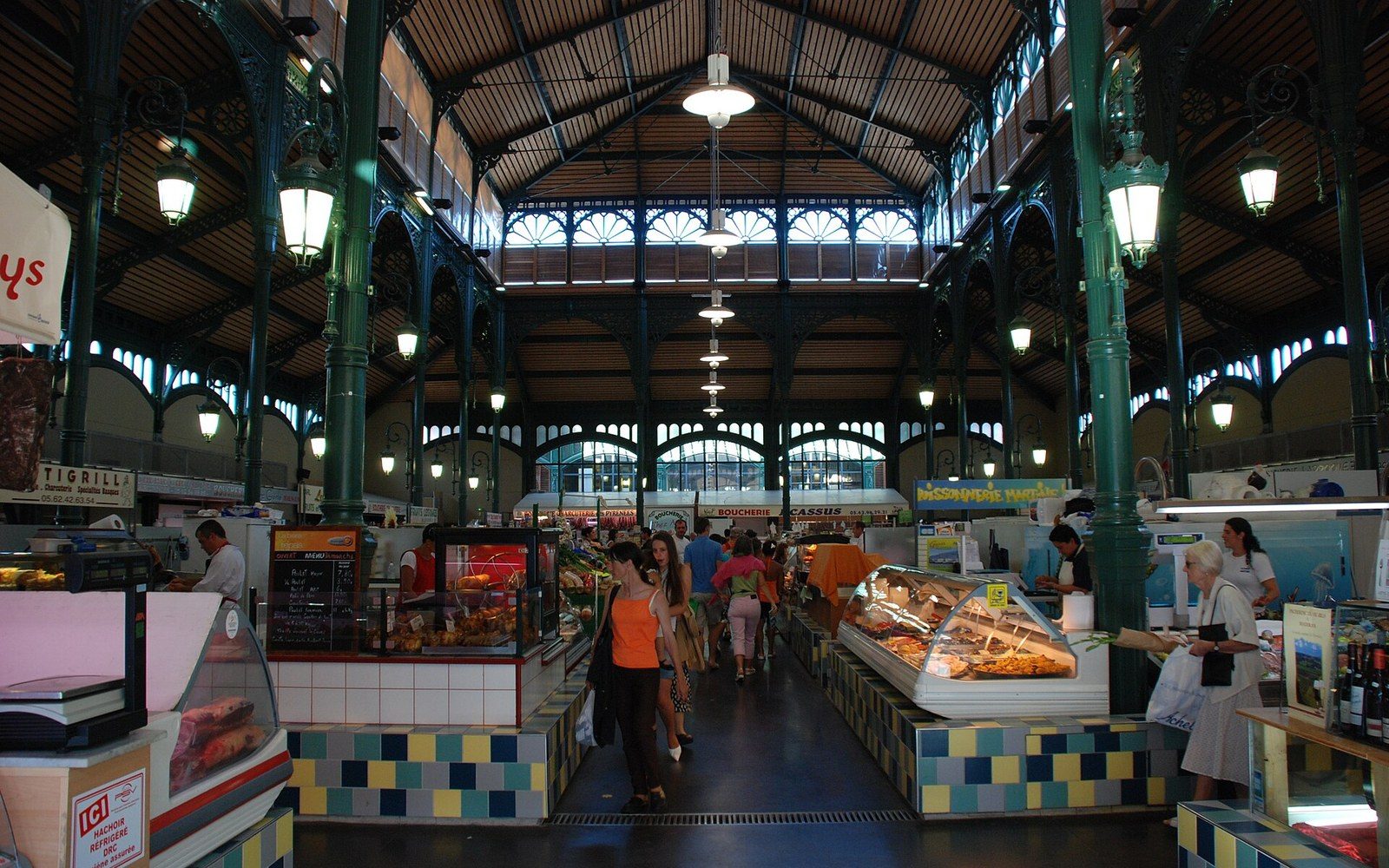
The terraced housing — the coron, the miner's row — follows the same logic of density and function. Corons were built by the mining companies across the coalfield, row after identical red-brick row, with small back gardens and shared gable ends. Many have been restored, some listed; they strike arrivals from further south as more English or Belgian than French. That reaction is geographically accurate. The border here was contested, redrawn and contested again across several centuries, and the built environment remembers.
Lille itself is the one place where the brick gets theatrical. The old Flemish quarter around the Grand'Place piles on stepped gables and gilded detail in a way that reads as northern baroque — disciplined ornament, nothing Mediterranean about it. The city was Spanish before it was French, formally ceded to Louis XIV only in 1668, and the facades have not forgotten. The Vieille Bourse, the old stock exchange on the Grand'Place, dates from 1653 and is the most concentrated demonstration of that Flemish-Spanish-French layering you can stand in front of in an afternoon.
What strikes newcomers, once the initial disorientation settles, is how complete the north's visual logic is on its own terms. It is not a failed version of Provence or Alsace. The density, the brick, the belfries, the flat horizon opening toward Flanders — these are a coherent system. The north is not performing France for visitors. It is getting on with being itself.