The mistral is not weather. It is a condition of life — and once you know that, a great deal of Provence becomes legible.
Three days of wind counts as an explanation
The wind with a name
The mistral arrives from the north, funnelled down the Rhône valley and accelerating as it hits the open basin of Provence. It can blow for three days, or six, or nine — always, locals will tell you, in multiples of three, which is probably folk pattern-matching but feels, when you're living through it, completely accurate. Speeds routinely exceed 80 kilometres per hour; in a significant event they top 120.
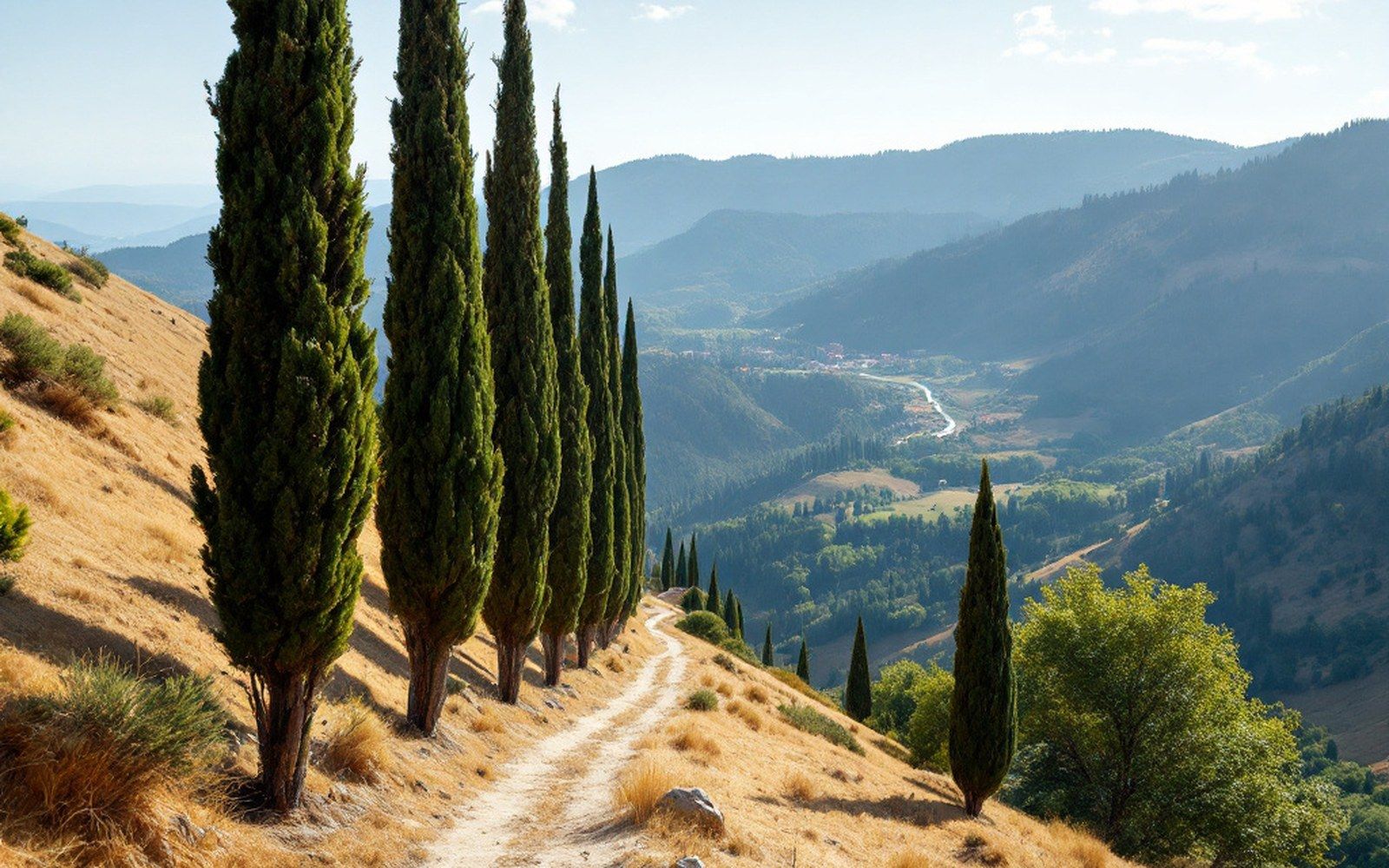
It has been documented since antiquity, named magistralis in medieval Latin — the master wind — and it is woven into Provençal architecture in ways nobody thinks to mention until you ask why all the trees lean. Cypresses are planted in rows on the north side of mas (farmhouses) not for beauty but to cut the force. Stone walls are low and thick. Windows on the north face of older buildings are small or absent. The landscape has been shaped by something that does not appear on any tourist map.
What surprises newcomers is that the mistral is also accepted as sufficient reason. A meeting postponed, a market thinned out, a shutter left closed: il y a le mistral — there's the mistral — ends most conversations. This is not laziness. After three days of a wind that makes outdoor speech difficult and fills every room with a low structural hum, the explanation is genuinely complete.
The compensations are real. The mistral clears the air with ferocious efficiency; after it passes, Provence gets the light that painters came for — Van Gogh wrote about it from Arles, working against it and sometimes in spite of it. The sky is scrubbed to a hard, specific blue that doesn't exist in the same way anywhere else.
Knowing the mistral exists changes your calendar in small ways: you check the forecast before planning anything outdoors between October and April, you weight furniture on restaurant terraces without being asked, and you stop finding it strange when someone blames three lost days on the wind. They are not making excuses. They are doing meteorology the Provençal way — which is to say, honestly.