The baguette de tradition has four permitted ingredients and no preservative, which is why there is a queue at the boulangerie at seven in the morning and another at six in the evening.
Bread is bought twice a day because it dies overnight
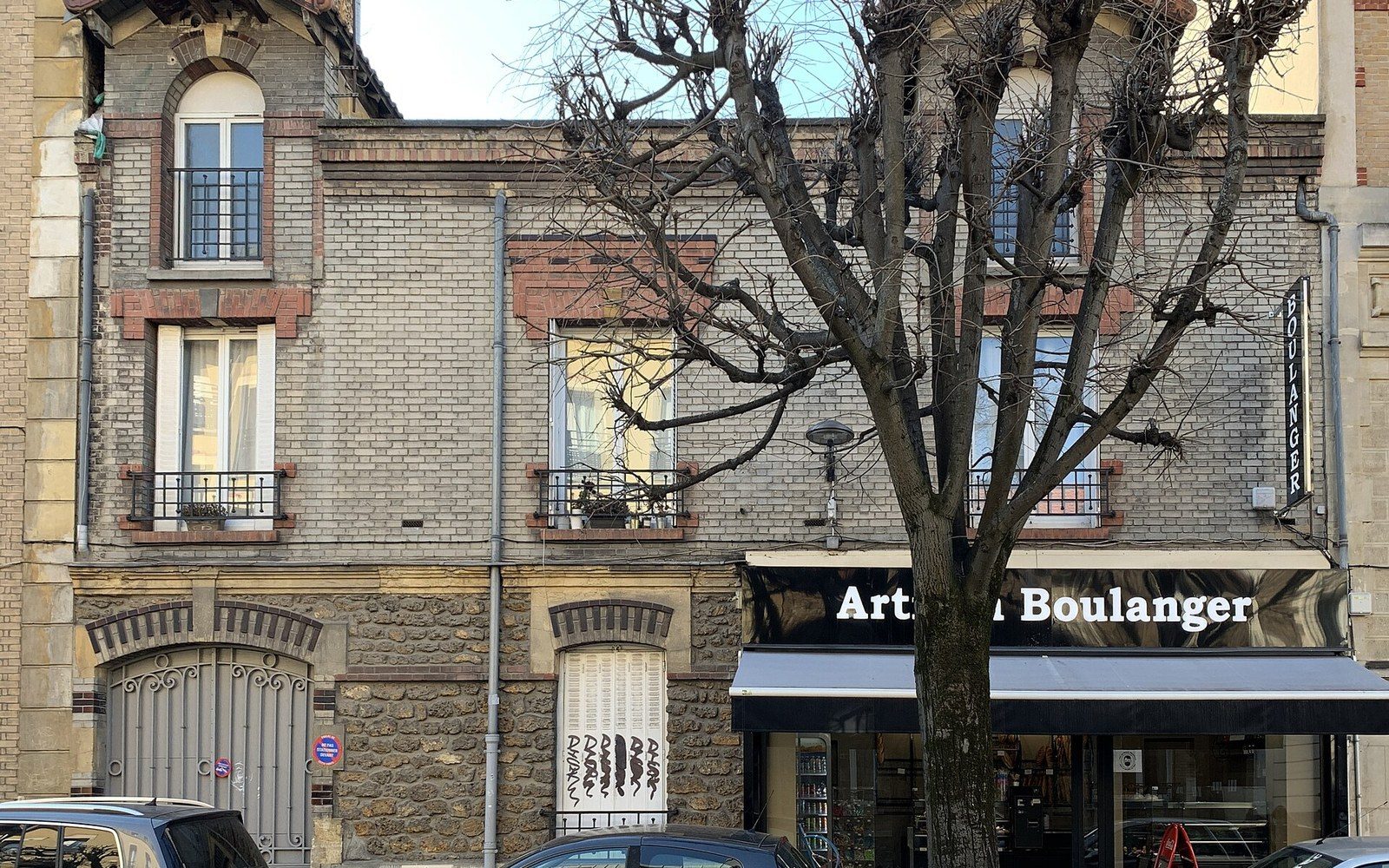
What is actually in it
A baguette de tradition française — the term is defined and protected by a 1993 government decree — contains exactly four things: wheat flour, water, salt, and yeast. No improvers, no emulsifiers, no ascorbic acid, no frozen pre-formed dough. The decree also prohibits freezing the dough at any stage, which means every tradition loaf in every boulangerie was shaped and proved in that building, that morning, by a human being who got up before you did.
This matters for a single practical reason: without preservatives, the crust loses its crispness within hours. A loaf bought at eight in the morning is still good at noon. By mid-afternoon it is serviceable. By evening it is cardboard. By the following morning it is a different object entirely, suitable for breadcrumbs or a determined duck. This is not a defect. It is a direct consequence of the recipe, and anyone who has lived here longer than a fortnight has rebuilt their daily routine around it.
The plain baguette — softer crumb, sometimes a touch of improver, cheaper — keeps a little longer, and that is why it exists. But in most boulangers' own ranking, the tradition is the real thing: denser, more flavoursome, with a crust that shatters rather than bends. You can usually tell them apart at a glance: a tradition has a rougher, more irregular surface and the ends taper unevenly, where a machine-finished loaf is neater and paler.
Why the queue happens twice
The morning run is self-explanatory. But the second queue, the one that forms outside a good boulangerie between five and seven in the evening, puzzles new arrivals who assumed bread was a once-a-day purchase. It is there because serious bakers do two bakes: one for the breakfast trade, one for the dinner table. The second batch comes out of the oven mid-afternoon, and those loaves are at their peak around six o'clock, exactly when people are on their way home. The French carry a baguette home under one arm the way commuters elsewhere carry a folded newspaper, and with much the same daily unconsciousness.
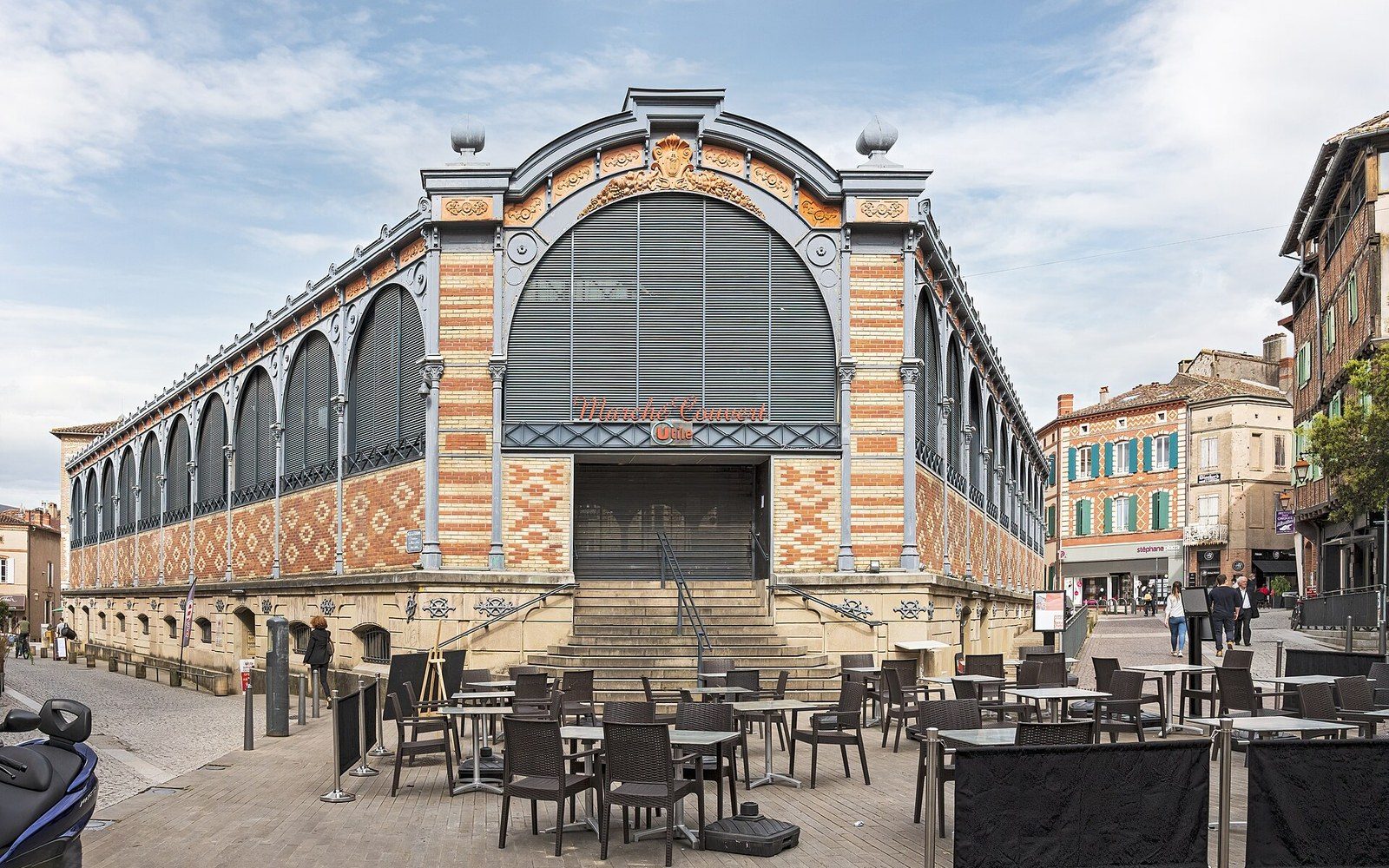
The boulangerie itself is a regulated category, not just a descriptive label. A shop may only call itself a boulangerie if the bread is made on the premises — kneaded, shaped, and baked in-house, not delivered part-baked from a central facility. Supermarkets that finish frozen dough in an in-store oven cannot use the word, which is why their bread section says something else. This distinction is enforced, not merely traditional.
The boulanger's hours are organised around the oven, which means closing on Sundays or Mondays is common and the closing day is posted on the door. In most towns and cities, the commune staggers its boulangers' rest days so that at least one is always open — a local coordination that happens informally but reliably. Miss your boulangerie's closing day without knowing which neighbour is open, and you will learn both within the week.
One small ritual worth knowing: if you arrive when only a partial loaf's worth of a bake remains and the next one is twenty minutes off, a boulanger will often invite you to come back — dans vingt minutes — rather than sell you something already past its best. This is quality control, not rudeness. Return at the time given, and the bread will be worth it.
What none of this explains until you experience it is how completely the loaf's short life reshapes a day. You do not stock up. You do not buy six and freeze them (the tradition decree applies to production, not to you personally, but freezing a baked tradition loaf and defrosting it is a well-documented disappointment). You go, you buy one, you eat it. Then you go again. The rhythm feels imposed at first, then ordinary, then oddly satisfying — a small proof that something in the day still has a deadline.