The annual shutdown is not a rumour, a coincidence, or a bad week. It is scheduled, collective, and catches almost every newcomer at least once.
In August the shutter comes down and stays down
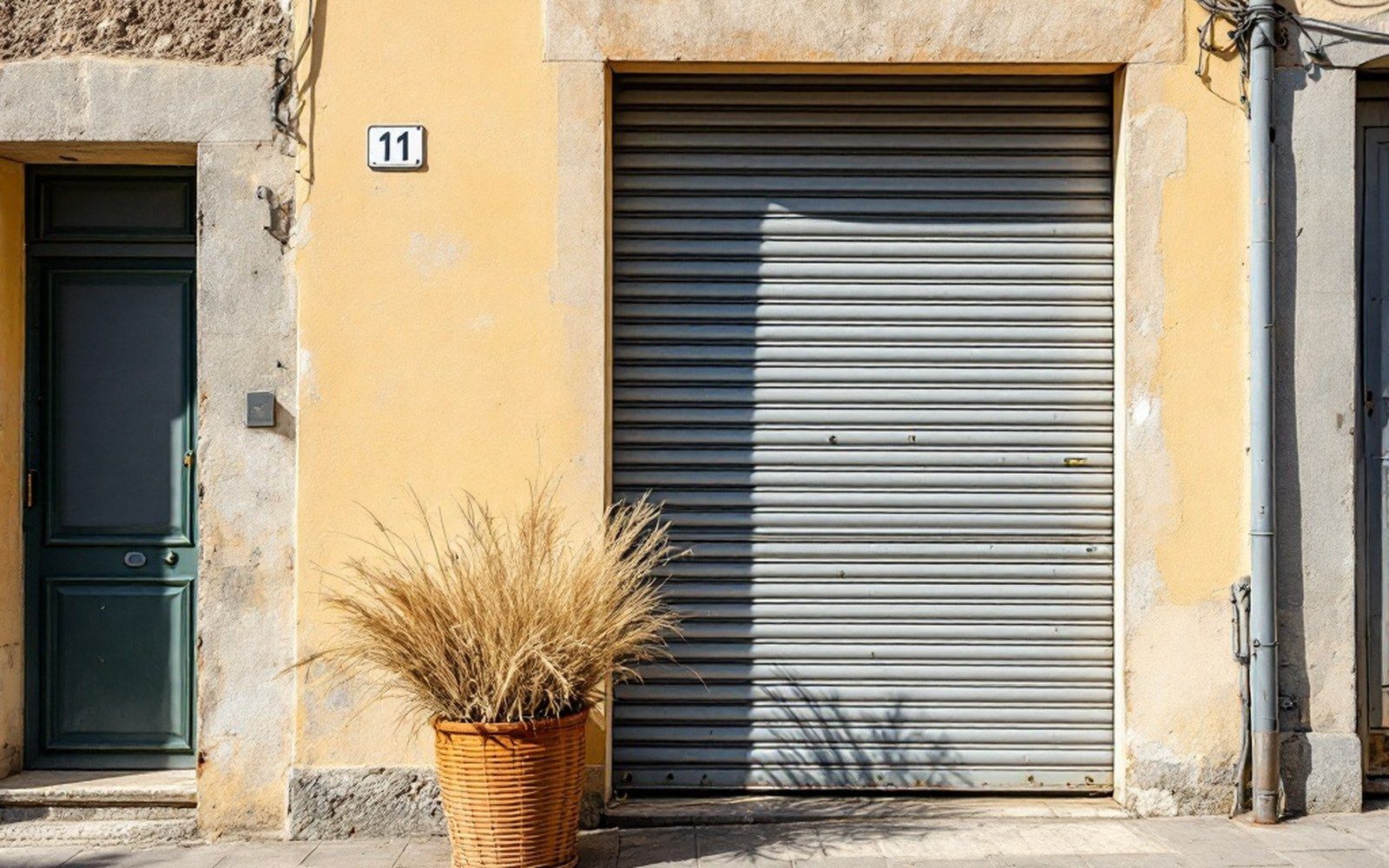
Why the whole street closes at once
Somewhere in your first August in France, you will walk down a street that was perfectly alive in July and find it sealed. The boulangerie — the bakery — is dark. The butcher is dark. The small restaurant on the corner has taped a handwritten note to the door: Fermeture annuelle du 1er au 25 août. You are not imagining it. This is the congés annuels — the annual leave period — and it does not happen around August; it is August, or a substantial portion of it.
The pattern has deep roots. French labour law has guaranteed paid leave since 1936, and the convention of concentrating it in August solidified through the postwar decades as car ownership spread and the Grandes Vacances became a cultural fixture. By the time you arrive, you are inheriting something four generations deep. Most employees receive five weeks of paid leave per year; many take three or four of those weeks consecutively in the summer, and France's working-time rules have made that pattern durable. The result is less about any single law than about the way a legal floor became a national rhythm.
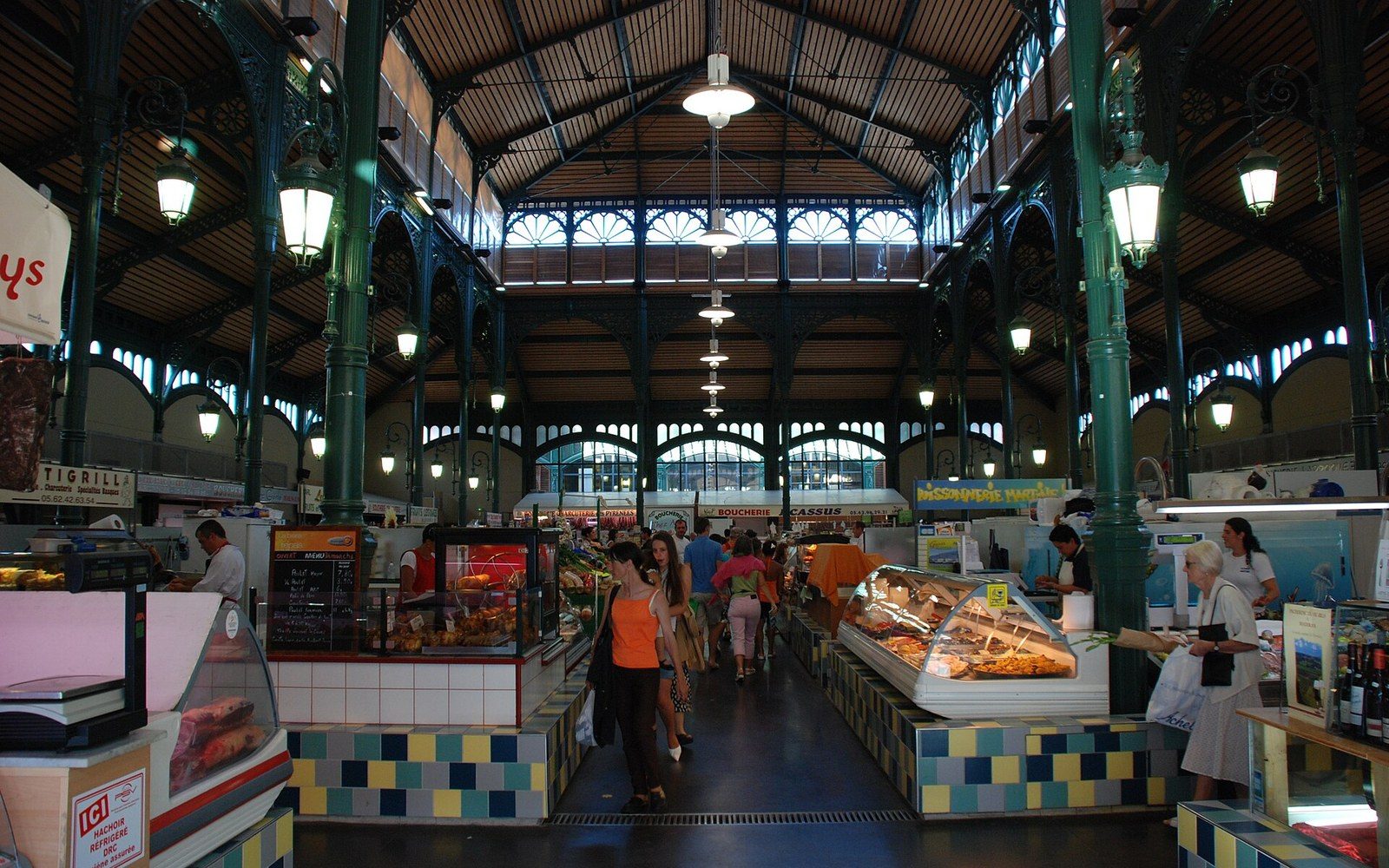
Small independent businesses are the most visible. A sole-trader plumber, a family-run hardware shop, a local accountant's office — these close because the owner is the workforce, and the owner is on holiday. The commune (municipality) loses its texture in a matter of days. Towns that fill with tourists from elsewhere simultaneously empty of their own residents, producing an odd double occupation: strangers enjoying a place whose people have left.
What to plan for before July ends
The practical consequences arrive faster than most newcomers expect. Tradespeople booked for late August rarely exist. Pharmacies run a rota — the pharmacie de garde — ensuring at least one stays open per area, so medication is available, but your regular pharmacist may be gone for three weeks. The mairie (town hall) keeps its public counter open on reduced hours at best. Any paperwork you meant to sort out in summer becomes an early-September problem, because the préfecture — the departmental administrative headquarters — slows dramatically. SNCF trains still run, but the TGV is packed from the first Friday in August and the TER regional services operate a thinner timetable. If you live outside a city, that matters.
The advice from people who have survived a first French summer is straightforward: treat the last week of July as your deadline for anything requiring a physical person on the other side of a counter. Get prescriptions checked. Chase any outstanding delivery. If you are hiring anyone — a cleaner, a repair person, a teacher — confirm September before they vanish. The country does not quite stop; Paris retains more services than anywhere else, and the large supermarkets of the grandes surfaces stay open regardless. But the layer of the economy that consists of people you can look in the eye closes, reliably, for up to a month.
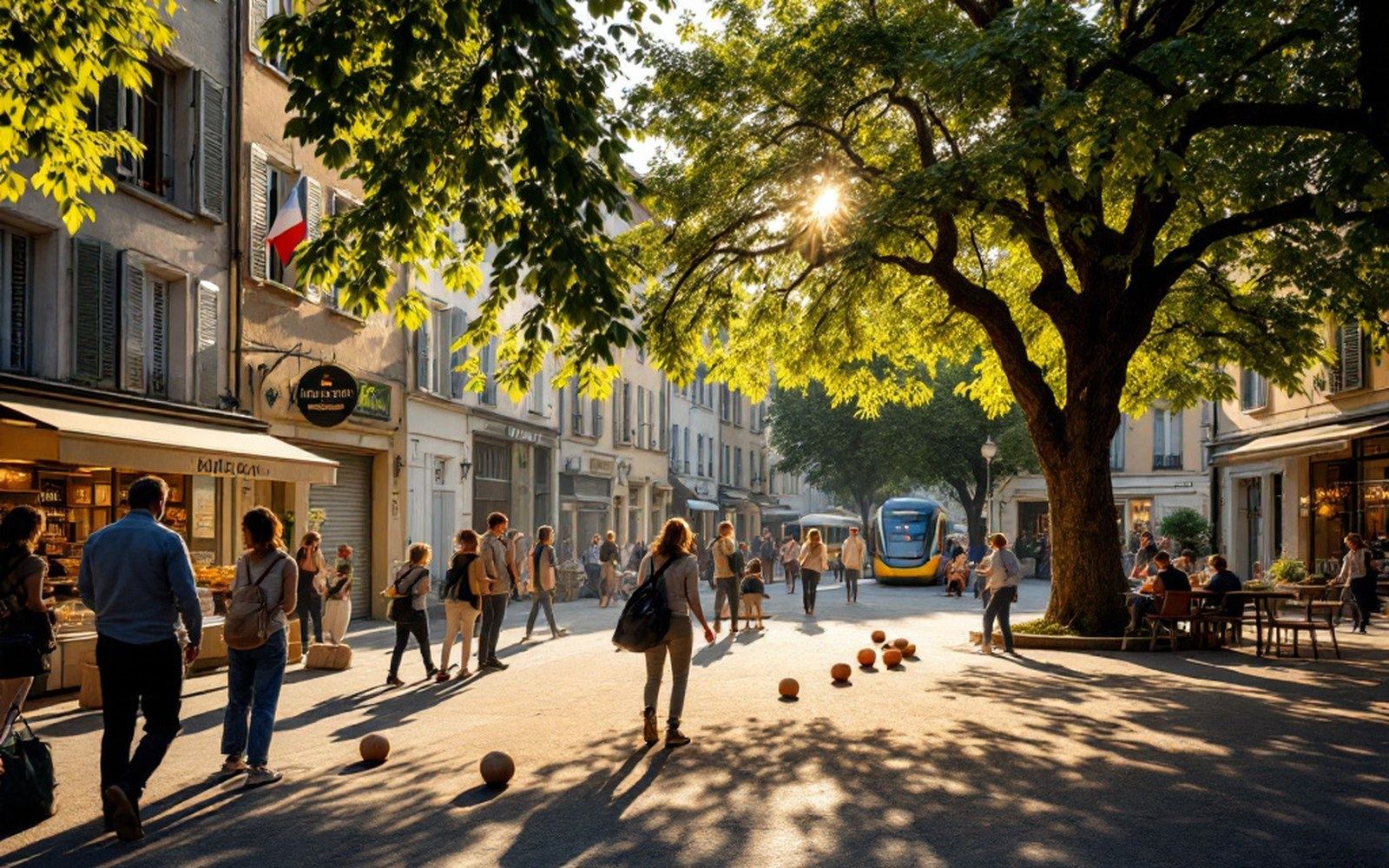
This is not universal. Coastal and mountain tourist towns are busy precisely because the rest of France has arrived in them. The boulangerie in a Breton resort or a Provençal village will absolutely open — it is selling to the same people who shuttered their own boulangerie somewhere else. The closure is residential, not national. Your neighbourhood empties; somewhere else fills.
By the third week of August, the return already has a name: la rentrée, and its momentum is its own phenomenon. Shops reopen on the same few days. Streets refill. The rhythm tips from summer into autumn with a definiteness that feels almost administered — because, in a quiet way, it is. When the shutters come up, they come up everywhere at once, and the city remembers what it is.